MEXT Scholar Testimonial: Gatesi Thamar (Teacher Training)
Profile
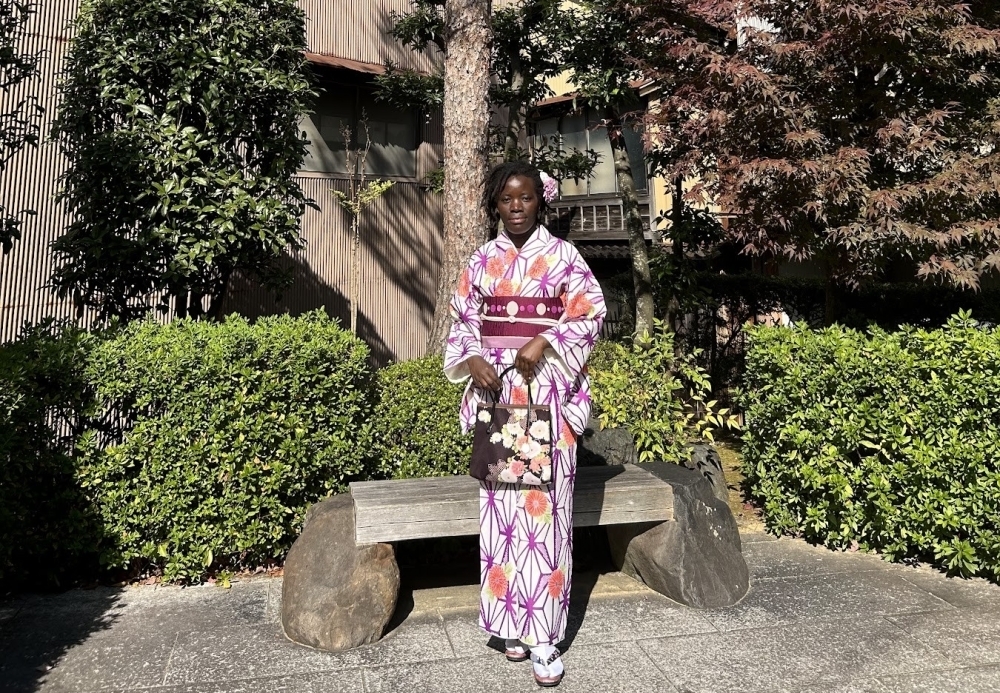
She has over 11 years of experience teaching Entrepreneurship and Economics at GS Busanza. She holds a Bachelor’s degree in Social Sciences and Business Studies with Education from the University of Rwanda–College of Education.
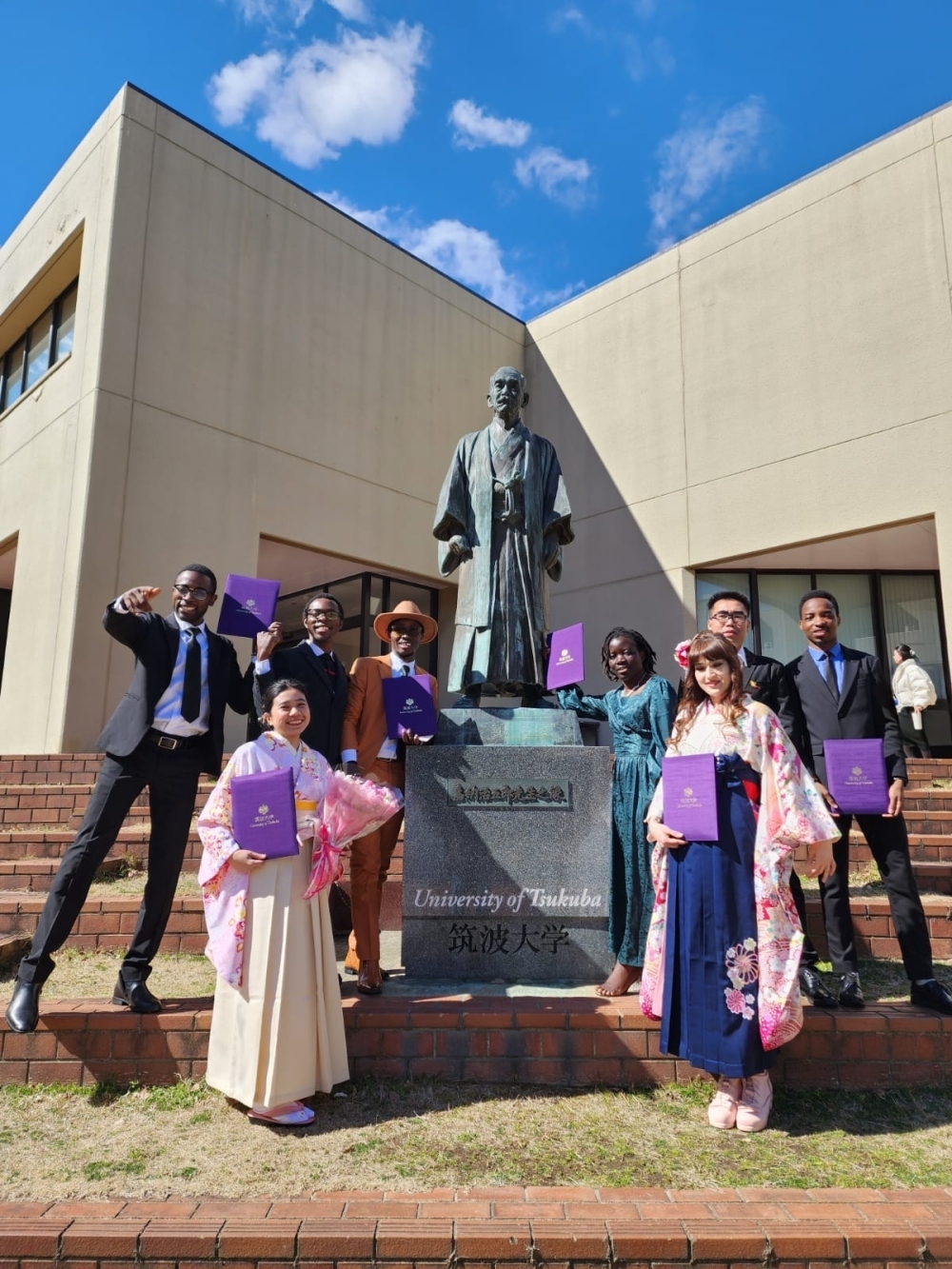
In 2022, she was selected to participate in the MEXT Teacher Training Program in Japan and was placed at the University of Tsukuba, one of Japan’s leading universities. She was placed in the Faculty of Health and Sport Sciences, where she conducted research entitled “The Contribution of Schools to the Prevention of Early Teenage Pregnancies in Japanese Secondary Schools.”
The study aimed to explore the role of Japanese secondary schools in preventing teenage pregnancies, recognizing that adolescent girls spend a significant portion of their time in school.
Why did you choose to study in Japan?
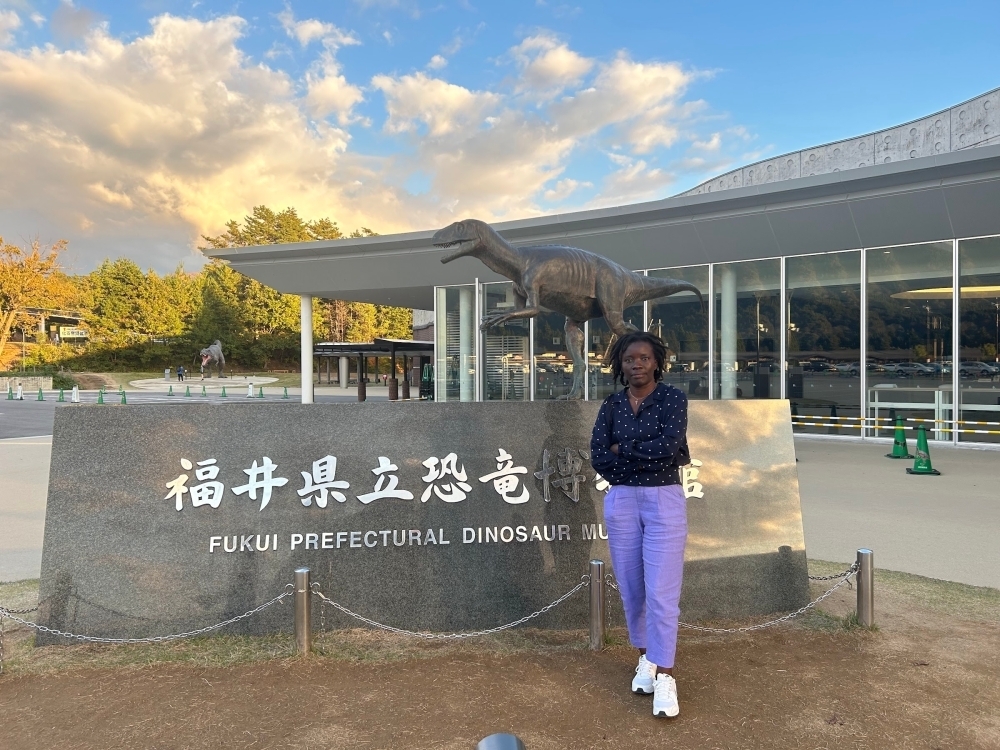
Overall, my favorite thing about studying in Japan is the chance to experience a new culture while receiving a high-quality education. I enjoyed learning the Japanese language, meeting people from different backgrounds, and exploring Japan’s traditions, food, and technology. Studying in Japan also helped me become more independent, confident, and open-minded."
How does the academic environment or research culture in Japan differ from the one in Rwanda?
Another difference is that Japanese academic culture values time management, respect, and continuous improvement, which motivates students to work very hard and become more independent."
How was your experience with the MEXT Scholarship?
"What I liked most about the MEXT scholarship was its smooth and well-organized process, both before departure and during the scholarship period. The coordination between the Embassy, universities, and MEXT was clear and supportive, making the application, selection, and transition to Japan easier to manage. I also appreciated that it provided full financial support, allowing me to focus on my studies without stress. In addition, the scholarship offered strong academic and cultural support, including language training and guidance upon arrival, which helped me adapt quickly."
2. How has this scholarship specifically helped advance your long-term career goals?
"MEXT scholarship has significantly advanced my long-term career goals by providing me with practical classroom experience through school visits, observations, and interaction with experienced teachers in Japan. Through these visits, I learned advanced teaching methods, effective classroom management, and student-centered approaches that have strengthened my ability to plan and deliver engaging lessons in a well-structured learning environment. In addition, my research on “Contribution of Schools in Prevention of Early Teenage Pregnancies in Japanese Secondary Schools” developed my research and analytical skills while deepening my understanding of the role of schools in student welfare and guidance. Based on my research data and recommendations, I enlighten students to be goal-oriented towards education by avoiding early intimate relations."
3. What is your advice for a successful scholarship application?
"My advice is strong preparation and a competitive application. Start by clearly explaining why you want to study in Japan, why you choose your field, and how your studies will benefit your country and future career. Prepare a well-written research plan that is realistic, relevant, and aligns well with your professional career or academic background. Maintain strong academic records and gather recommendation letters from credible referees who know your abilities well. It is also important to prepare seriously for the written examinations and interview by learning about Japan, practicing how to confidently present your goals, and demonstrating leadership, commitment, and adaptability.
As a final word to those who are curious about MEXT scholarship programs, I would like to say that the application process is very straightforward and the kind staff at the Japan Embassy are very helpful in this regard."
How was your life in Japan?
"As Rwandan, one thing that surprised me a lot about Japan is how quiet and orderly public spaces are, despite it being one of the most crowded countries in the world, especially Tokyo."
2. How did you handle the language barrier when you first arrived?
"When I first arrived in Japan, I faced a significant language barrier because I had no prior knowledge of Japanese. Simple daily activities such as shopping and asking for directions were challenging during the first weeks.
Fortunately, the program assigned me a Japanese tutor for six months to help me adjust to life in Japan. The tutor assisted me with important activities such as opening a bank account, registering at the city hall, and shopping for daily necessities. This support helped me settle into the new environment more comfortably and reduced the stress of adapting to a different culture. In addition, I studied Japanese language for six months at University of Tsukuba, through these lessons, I learned basic communication skills and everyday expressions, which gradually improved my confidence in interacting with local people and participating in daily activities. Over time, I became more independent and comfortable living and studying in Japan."
3. How was your experience with Japanese culture and people?
"My experience with Japanese culture and people was very positive and enriching. I was impressed by how strongly Japanese people preserve their culture, especially through traditional festivals, wearing traditional clothing like kimono during special occasions, and maintaining their language with great pride even in a highly modern society. I myself participated in different cultural events, such as tea ceremony, Kimono clothing, cultural presentations that helped me indulge deeply in Japanese traditions.
Also, I noticed interesting similarities between Japanese and Rwandan people. In both cultures, there is a strong respect for language as a key part of identity, appreciation for traditional costumes and cultural dress in ceremonies, and a deep sense of pride in cultural heritage. Both societies also emphasize respect, community values, and proper behavior in social life."
4. What culture shock did you experience?
"The culture shocks I experienced in Japan was the strong culture of discipline and respect for public rules. I was especially surprised by punctuality, where trains/buses, classes, and meetings followed schedules very strictly, and people valued being on time.
Another striking experience was the use of phones on public transport. Many people kept their phones on silent mode and avoided making calls on trains or buses to avoid disturbing others, making public transport unusually quiet compared to what I was used to.
I was also impressed by how people respected traffic lights, even when no cars were passing. Pedestrians patiently waited for the green light instead of crossing immediately.
At first, these habits felt unusual, but over time I understood that they reflected a deep sense of responsibility, order, and respect for others in Japanese society."
5. What struggles did you face and how did you manage them?
"Some of the struggles I faced as a Rwandan in Japan was adapting to Japanese food and navigating daily life. At first, the food was very different from what I was used to in Rwanda, and I often missed familiar meals from home. However, with time I became open to trying new dishes and gradually adapted to the local diet.
Another challenge was moving around and finding directions, especially when going out for shopping or visiting unfamiliar places. I sometimes missed the way back to my dormitory because the streets and transport system were new to me. I later realized that many Japanese people are highly accustomed to using Google Maps and other navigation apps in their daily lives, whether walking, using trains, or locating places. Following their example, I learned to use Google Maps effectively, which helped me travel more confidently and independently."
6. If you could go back in time and give your pre-departure self-one piece of advice, what would it be?
"If I could go back in time, I would advise myself to learn Japanese and riding a bicycle in advance. I went to Japan thinking English would be enough for the program but the Japanese language barrier hit me in daily life and even in school observations. Also, intensive Japanese courses were heavy in grammar and alphabet and I was obliged to learn everything in a short period of time while in normal it takes years to learn Japanese.
Coming to riding a bicycle, it was challenging for me to walk everywhere, like from my dormitory to university or to the store and come back. Tsukuba campus is very large and it is time consuming and tiring to go on foot every time."